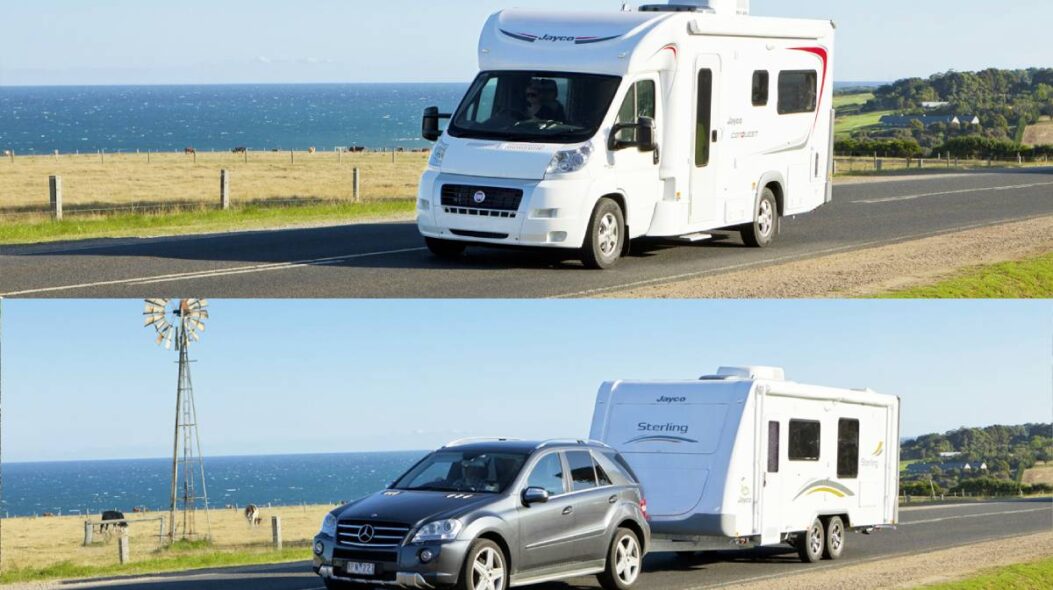
When planning a road trip or considering a mobile lifestyle, two of the most popular vehicle options are campervans and caravans. Though they may appear similar in purpose — offering mobility and accommodation — they are fundamentally different in design, function, and suitability for different kinds of travelers. Understanding the difference between a campervan and a caravan is essential to choosing the right one for your needs.
In this article, we’ll explore the key differences between campervans and caravans, including design, convenience, driving experience, costs, and ideal usage scenarios. Whether you’re a weekend adventurer or planning a long-term nomadic lifestyle, this guide will help you make an informed choice.
What Is a Campervan?
A campervan, sometimes called a motorhome (though technically different), is a self-contained vehicle that combines both transport and accommodation. It is essentially a van that has been converted into a small living space, complete with sleeping arrangements, kitchen facilities, and sometimes even a compact bathroom and toilet.
Key features of a campervan:
- Engine-powered and drivable
- Integrated kitchen and living space
- Sleeping area, often convertible (e.g., foldable seats)
- Some models include showers and toilets
- Suitable for short to medium-term trips or full-time living
- Often equipped with solar panels, water tanks, and storage compartments
Campervans come in a range of sizes — from small, converted vans like the VW Transporter to large Class C or Class B motorhomes.
What Is a Caravan?
A caravan (also known as a travel trailer or camper trailer) is a towable unit that is attached to a separate vehicle using a hitch. Unlike a campervan, a caravan cannot move on its own and requires a car, SUV, or truck to tow it from one location to another.
Key features of a caravan:
- No engine; must be towed
- Larger living space compared to most campervans
- Can include separate bedrooms, kitchens, and full-sized bathrooms
- Designed for longer stays at campgrounds or RV parks
- Offers more home-like comfort but less mobility
- Can be detached, allowing use of the towing vehicle separately
Caravans are popular among families and retirees who want the comforts of home while enjoying time on the road.
Key Differences Between Campervans and Caravans
Let’s break down the core differences across several important factors:
Mobility and Ease of Use
- Campervan: Easier to manoeuvre and park, especially in cities or tight spaces. Great for spontaneous travel and exploring off-the-beaten-path locations. You simply start the engine and go.
- Caravan: Requires setup and more planning for parking and manoeuvring. Towing can be challenging for beginners, especially when reversing or parking in confined areas.
Winner for mobility: Campervan
Living Space
- Campervan: Typically more compact due to the integration of the driving cabin and living area. This means less space for separate rooms or amenities.
- Caravan: Offers more interior space, with room for separate sleeping quarters, a larger kitchen, and a more spacious bathroom.
Winner for space: Caravan
Vehicle Flexibility
- Campervan: Your home and vehicle are one. If you want to go sightseeing or grocery shopping, you need to pack up your entire setup and drive it.
- Caravan: Once parked and detached, your towing vehicle can be used independently, providing more convenience for day trips or errands.
Winner for flexibility: Caravan
Fuel Efficiency
- Campervan: Generally consumes more fuel than a standard car due to its size and weight.
- Caravan: While the caravan itself uses no fuel, towing it will increase your car’s fuel consumption. However, in many cases, this setup is more fuel-efficient than a large campervan.
Winner for fuel economy (usually): Caravan
Setup and Convenience
- Campervan: Minimal setup. Park, pull the handbrake, and you’re good to go.
- Caravan: Requires time to unhitch, level, and set up stabilisers. May involve more work at campsites.
Winner for convenience: Campervan
Costs (Initial and Maintenance)
- Campervan: Generally more expensive to purchase as it combines vehicle and accommodation in one. Maintenance and insurance are also higher due to the vehicle’s complexity.
- Caravan: Often cheaper to buy, but you’ll need a suitable tow vehicle. Maintenance tends to be lower, and insurance is typically more affordable.
Winner for affordability: Caravan
Who Should Choose a Campervan?
A campervan is ideal if:
- You want maximum flexibility and spontaneity
- You plan to travel frequently or for short trips
- You’re a solo traveller or a couple looking for simplicity
- You enjoy visiting national parks or remote areas with minimal setup
Campervans suit digital nomads, surf enthusiasts, and adventurous travellers who prefer mobility over luxury.
Who Should Choose a Caravan?
A caravan is the better choice if:
- You need more space for a family or long-term travel
- You plan to stay longer in one location
- You already own a suitable tow vehicle
- You value the ability to leave your setup behind while exploring in your car
Caravans are great for families, retirees, or anyone seeking a semi-permanent mobile home.
Pros and Cons Summary Table
| Feature | Campervan | Caravan |
|---|---|---|
| Mobility | High | Limited (requires towing) |
| Living Space | Compact | Spacious |
| Setup Time | Minimal | Moderate to High |
| Vehicle Separation | Not possible | Yes, car can be used independently |
| Driving Ease | Easier for beginners | Requires towing skills |
| Cost | Higher upfront, all-in-one | Lower for unit, need tow vehicle |
| Ideal For | Short trips, explorers | Long stays, families |
Legal and Licensing Considerations
In some countries, especially in Australia, Europe, or the UK, towing a caravan may require a special license depending on its size and the weight of your towing vehicle. Campervans, on the other hand, usually only require a standard driver’s license — but check the classification (e.g., GVM over 4.5 tonnes may need a different class).
Insurance, registration, and safety requirements also vary. Be sure to check local laws before committing.
Final Thoughts: Which Is Better for You?
There is no definitive answer to whether a campervan or caravan is better — it all depends on your travel style, budget, and personal preference.
Choose a campervan if you want ease of movement, enjoy shorter trips, or want to explore multiple destinations with minimal setup. Choose a caravan if you prefer to set up camp in one place and enjoy a more spacious, home-like environment — especially if you’re travelling with family.
Ultimately, both offer the freedom of life on the road, and whichever you choose, you’re bound to create memorable experiences and enjoy the adventure that comes with mobile living.
Whether you’re planning to explore the Australian Outback, the coasts of New Zealand, or European countrysides, understanding the difference between a campervan and a caravan is the first step toward choosing your perfect travel companion.