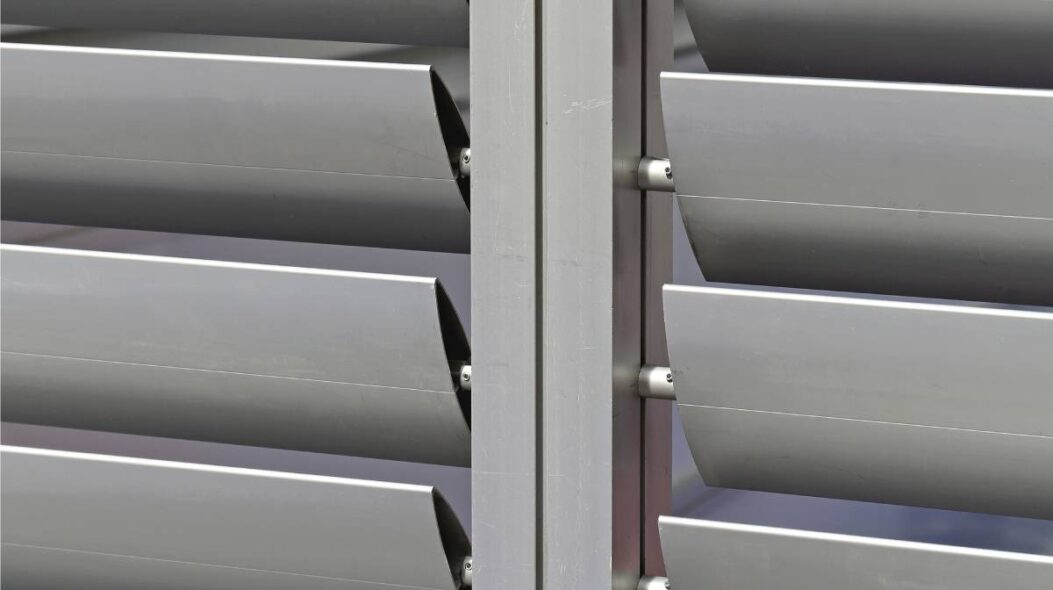
PVC (polyvinyl chloride) plantation shutters are a very common choice for homeowners: they’re affordable, water-resistant, easy to clean, and they look neat in bathrooms, kitchens and living rooms. But are PVC plantation shutters toxic? Or that shutters made from it emit harmful chemicals into the home?
This article separates the facts from the fear, explains why people think PVC shutters might be dangerous, and outlines the realistic health and safety considerations so you can choose with confidence.
Why people worry about PVC
There are a few reasons PVC has a bad reputation:
- The word “plastic” sounds scary. Many people associate plastics with single-use waste, microplastics and chemical additives — and they assume all plastics behave the same.
- Historical use of harmful additives. In the past, some PVC products contained lead-based stabilisers or softening additives (phthalates) that raised health concerns. That history contributes to lingering anxiety.
- Off-gassing and “new product smell”. New furniture, window frames and shutters sometimes have a faint chemical smell. People often worry that smell equals toxic fumes.
- Fire behaviour. When PVC burns it releases hydrochloric acid gas and potentially other hazardous products. This raises concern about toxicity even though that risk relates to burning, not everyday use.
- Mismatching products. Not all “PVC products” are identical — flexible PVC used for hoses or flooring can contain higher levels of plasticisers, while rigid PVC (used in shutters) has a very different formulation and behaviour. Confusion between types fuels alarm.
These reasons are valid starting points for concern — but they don’t mean modern, rigid PVC plantation shutters are inherently poisonous in normal use.
What plantation shutters are actually made from
Most white or “uPVC” plantation shutters are made from rigid PVC or PVC composite materials. Key points about that material:
- Rigid PVC vs flexible PVC: Rigid PVC (used in shutters, window frames and pipes) contains little to no plasticiser (phthalates). Flexible PVC (used in soft tubing, some flooring) needs plasticisers to make it bendy. Health worries about phthalates usually apply to flexible PVC — not the rigid type used for shutters.
- Stabilisers: Modern manufacturers use safer stabilisers, commonly calcium-zinc or organic stabilisers, rather than older lead-based ones. Many countries have restricted or banned lead stabilisers in consumer products.
- Fillers and coatings: Shutters may include fillers (to add strength or reduce cost) and surface coatings or paints. Those surface treatments, or adhesives used in manufacturing or installation, can be a more significant source of VOCs than the PVC core itself.
Do PVC shutters off-gas VOCs or other chemicals?
In short: very little, and usually not at harmful levels — with a few caveats.
- Initial smells: A “new shutter” smell is possible right after manufacture or installation. That odour typically comes from curing solvents, surface coatings or residual processing agents. It diminishes quickly (days to weeks) in a well-ventilated room.
- Long-term emissions: Rigid PVC is a stable polymer. Once manufactured and cured, the material itself emits negligible volatile organic compounds (VOCs) under normal indoor conditions. The primary long-term indoor air contributors are often paints, sealants and adhesives, not the PVC core.
- Phthalates and endocrine disruptors: These are mostly a risk in flexible PVC where plasticisers are used. Rigid plantation shutters use little or no plasticiser, so phthalate exposure from shutters is extremely unlikely.
- Certifications and testing: Reputable shutter manufacturers often test products for VOC emissions and can provide compliance statements for standards such as GREENGUARD or other indoor air quality certifications. If indoor air quality is a priority, ask manufacturers for test data.
Health risks to consider (realistic perspective)
While routine use of PVC plantation shutters is generally safe, here are realistic issues to be aware of:
- Allergic reactions / sensitivities: Very few people are allergic to PVC itself. However, sensitive individuals could react to VOCs from finishes, paints or adhesives used on the shutters. If a household member has chemical sensitivities, look for low-VOC or water-based finishes.
- Dust and allergens: Shutters collect dust like any window covering. The way they trap and release dust may affect people with asthma or allergies. Regular cleaning reduces that risk.
- Burning hazard: In a house fire, PVC can produce hydrochloric acid and toxic combustion products. That’s an important fire-safety consideration but does not mean PVC is unsafe to have in a properly maintained building with functioning smoke detectors, alarms and compliant wiring.
- End-of-life disposal: Poor disposal (incineration without controls) can generate harmful emissions. Recycling infrastructure for rigid PVC exists in many regions, and choosing recyclable products reduces environmental and long-term health impacts.
Practical tips for safe selection and use
If you’re shopping for plantation shutters and want to minimise any potential risk, follow these sensible steps:
- Buy from reputable suppliers. Established manufacturers are more likely to use safer stabilisers and produce test data for emissions.
- Ask for VOC test reports or certifications. If indoor air quality is important, request GREENGUARD or similar testing results.
- Prefer rigid/uPVC shutters (not flexible PVC). Most plantation shutters are rigid; this avoids plasticiser concerns entirely.
- Check coatings and paints. If you want a painted finish, choose low-VOC or water-based paints and ask about the installation adhesives.
- Ventilate after installation. Open windows and run ventilation for a day or two after installation to disperse any transient odours from manufacturing or adhesives.
- Maintain and clean properly. Wipe shutters with a damp cloth and mild detergent; avoid solvents that could degrade the surface or release fumes.
- Consider alternatives if worried. Timber shutters (painted or stained) or composite materials without PVC cores are alternatives if you prefer to avoid plastics entirely — though timber can have its own coatings and emissions.
The environmental angle
People who object to PVC often cite environmental concerns: PVC production and disposal can be problematic if not managed responsibly. Key points:
- Production impacts: PVC production uses chlorine and vinyl chloride monomer; historically, poor controls at production plants led to environmental contamination in some areas. Modern facilities and regulations have reduced those risks in many countries.
- Recycling: Rigid PVC is recyclable, and many manufacturers use reclaimed PVC in their products. Ask suppliers about recycled content and end-of-life options in your area.
- Comparative impact: Timber shutters have renewable credentials but may require paints, stains or timber sources with varying sustainability. Composite shutters may blend materials. Weight up lifecycle impacts rather than assuming one material is always best.
Final verdict — are PVC plantation shutters toxic?
For everyday home use, modern rigid PVC plantation shutters are not toxic and do not emit harmful levels of dangerous chemicals under normal conditions. The major concerns people have (phthalates, lead stabilisers, off-gassing) mostly relate to older formulations or to flexible PVC products — not the rigid, finished shutters commonly sold today.
That said, there are responsible choices to make: buy from reputable manufacturers, ask about emissions testing, prefer water-based or low-VOC coatings if surface finish matters, ventilate after installation, and maintain good fire safety and disposal practices.
If you or someone in the home has severe chemical sensitivities or wants to avoid plastics entirely, explore timber or non-PVC composite shutters — but remember those options bring their own trade-offs (cost, moisture resistance, maintenance).